
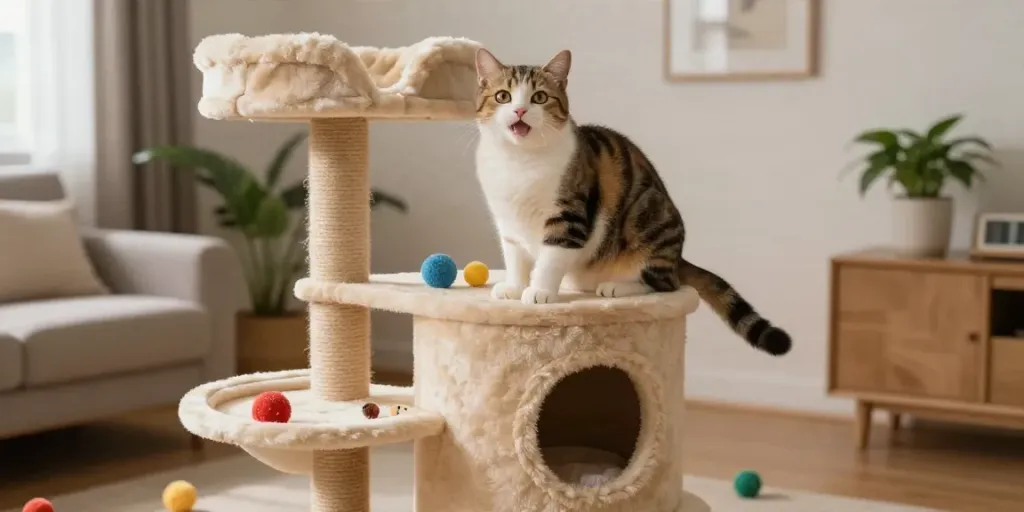
Understanding the Benefits of a Cat Tree
Cat trees are more than just furniture; they serve as vital playgrounds for our feline friends, providing them with a sanctuary that enriches their lives both mentally and physically. When exploring options, cat tree designs vary widely, catering to different needs and preferences. By investing in a quality cat tree, pet owners can create an environment that mimics their cats’ natural instincts, offering ample opportunity for climbing, scratching, and resting. In this comprehensive guide, we will delve into the numerous benefits a cat tree provides and help you understand why it is an essential addition to your home.
Why Every Cat Needs a Cat Tree
Every cat, whether an adventurous explorer or a cozy cuddler, benefits from having a designated space to call their own. A cat tree provides a vertical playground that encourages physical activity, essential for maintaining a healthy weight and preventing obesity. Beyond physical benefits, cat trees also support mental stimulation and reduce stress by giving cats a place to retreat and observe their surroundings. Moreover, having a climbing structure mimics their natural behavior of seeking high ground, which fosters feelings of security.
Physical and Mental Health Benefits
The benefits of a cat tree encompass a range of physical and mental health aspects. Firstly, climbing and jumping help to strengthen your cat's muscles and improve agility. Similarly, these activities can prevent boredom and associated behavioral issues created by lack of stimulation. On the mental front, cat trees provide an environment for territorial exploration and a sense of ownership, which is crucial for your cat's emotional well-being. Moreover, cat trees equipped with scratching posts can satisfy your feline's natural urge to scratch, potentially saving your furniture from damage.
Choosing the Right Cat Tree for Your Cat
Selecting the perfect cat tree hinges on various factors including your cat's size, age, and personality. Young, energetic cats may thrive on tall multi-level trees, while aging cats might prefer a lower, more accessible option. Additionally, consider your home’s space; if you live in a smaller apartment, a compact cat tree or wall-mounted shelves may be ideal. Always assess the quality of materials used, as durability is essential to withstand your cat’s antics.
Types of Cat Trees: Finding Your Perfect Match
Cat trees come in an array of styles and designs, each tailored to meet the diverse needs of our feline companions. Understanding the different types can help you make an informed decision that best suits your cat's lifestyle.
Multi-Level Cat Trees for Active Cats
Multi-level cat trees are excellent for active cats, providing different heights for climbing and perching. These trees often include multiple platforms, hideaways, and scratching posts to keep your kitty engaged for hours. The climbing options mimic trees and natural habitats, offering an outlet for their climbing instincts. Look for sturdy designs with wide bases to ensure stability, especially if you have multiple cats that love to play together.
Space-Saving Designs for Small Homes
If you live in a small space, don't worry—there are numerous cat trees designed specifically for compact living. Wall-mounted cat shelves and corner designs take up minimal floor space while maximizing vertical area for climbing. Many of these space-saving solutions are stylish and modern, blending seamlessly with your home décor.
Luxury vs. Budget: Which Cat Tree Is Right for You?
Your budget can significantly influence your choice of cat tree. Luxury cat trees often feature high-end materials, plush fabrics, and designer aesthetics, making them visually appealing and comfortable for your pets. However, there are budget-friendly options available that also offer essential features like stability and scratching surfaces. Prioritize your cat's needs and your budget, seeking a balance that ensures safety, comfort, and fun.
Essential Features of a Quality Cat Tree
Not all cat trees are created equal; understanding the essential features can help you select a tree that provides maximum benefits to your cat.
Material Matters: What to Look For
Quality materials are crucial for safety and durability. Look for cat trees made from sturdy wood instead of particle board, as they can hold more weight and resist wear. The covering should be soft yet durable, ideally made from natural fibers or high-quality fabric that can withstand scratching. Additionally, sisal-covered posts are a must for scratching, as they are tough enough to satisfy your cat’s instinct to claw.
Design Features: Scratch Posts, Platforms, and Hideaways
When evaluating a cat tree, focus on design features that cater to your cat’s needs. Platforms should be spacious enough for lounging and provide safe, easy access. Hideaways create cozy spots for cats to retreat, enhancing their sense of security. Scratching posts should be positioned strategically to provide an outlet for your cat’s scratching behavior, helping to keep both your cat and your furniture happy.
Safety Considerations for Your Feline Friends
Safety is paramount when selecting a cat tree. Ensure that the tree has a wide and stable base to prevent tipping, especially in multi-cat households. Avoid sharp edges or small components that could be swallowed. Regular maintenance is also essential; check for loose screws or worn areas that might need replacing to keep your feline friends safe as they play.
How to Set Up Your Cat Tree Effectively
Once you’ve chosen the perfect cat tree, effective setup is key to its success in your home. Consider the following tips to ensure a smooth transition.
Choosing the Right Location in Your Home
Positioning the cat tree in a location with ample natural light and a good view of the household activity can enhance your cat's experience. Cats love to observe their surroundings, so placing the tree near a window or a popular area in your home will keep them engaged. Additionally, avoiding high-traffic areas can help prevent accidental bumps or disturbances as your cat relaxes.
Introducing Your Cat to Their New Tree
Introducing your cat to their new tree should be a gradual process. Start by placing treats or toys on the platforms to encourage exploration. Be patient; some cats may take longer to adapt to the new structure than others. It’s essential to supervise their initial interactions to ensure they feel safe and comfortable in their new environment.
Maintaining and Cleaning Your Cat Tree
Regular maintenance will prolong the life of your cat tree and ensure it remains a safe space for your cat. Vacuum or wipe down surfaces regularly to remove fur and dander. Check for loose parts or areas that may need repairs and clean any stains promptly with pet-safe cleaners. This not only keeps the tree looking good but also promotes a hygienic environment for your pet.
Future Trends in Cat Trees: What to Expect in 2026
The cat furniture industry is evolving, and exciting trends are shaping the future of cat trees. As we move towards 2026, here are some innovations to look out for.
Innovative Designs and Smart Features
Manufacturers are increasingly incorporating smart technology into cat trees, such as integrated pet cameras and environmental sensors that monitor your cat's behavior. This can provide pet owners with valuable insights into their cat’s activities and health. Additionally, unique designs that resemble furniture or art pieces are becoming popular, allowing cat trees to fit seamlessly into home interiors.
Eco-Friendly Materials and Sustainability in Cat Furniture
As sustainability becomes a priority, many pet furniture companies are exploring eco-friendly materials. From sustainable wood sources to organic fabrics, choosing a cat tree made from environmentally conscious materials is an excellent way to contribute to a healthier planet while providing comfort for your cat.
The Rise of Customizable Cat Tree Solutions
Customization is another trend on the rise, with various modular cat tree systems entering the market. These allow pet owners to create a cat playground tailored to their living space and their cat's preferences, with interchangeable parts that can be adapted as needed. This flexibility ensures that your cat tree will grow and evolve with your cat’s changing needs.
Is a cat tree worth it?
Investing in a cat tree is undeniably worthwhile for cat owners aiming to improve their pets' quality of life. Not only do these structures fulfill natural instincts, but they also create enriched environments that promote healthy play and safe resting spaces.
What is the best type of cat tree?
The best type of cat tree largely depends on your cat’s personality and your living situation. Opt for multi-level structures if you have an active, playful cat, while seniors or less active cats may prefer simpler, lower trees for easier access.
How do I maintain a cat tree?
Regular maintenance is vital. Clean the surfaces to remove debris, check for wear and tear regularly, and ensure all components are secure. A well-maintained cat tree will last longer and provide a safer environment for your pet.
Are there cat trees suitable for large cats?
Yes, many companies now offer cat trees specifically designed for larger cats, providing robust structures and wide platforms. Ensure the chosen tree has a strong base and sturdy materials to support greater weight.
How much should I spend on a cat tree?
Cat tree prices can vary significantly based on size, materials, and features. Expect to invest anywhere from $50 to several hundred dollars, depending on the quality and complexity of the design. Remember, a higher price often reflects better materials and construction, leading to greater longevity.